Medical Devices
Clinical Study Highlights How Advanced Robotic Myomectomy Helps Women Safeguard Fertility and Reproductive Choices
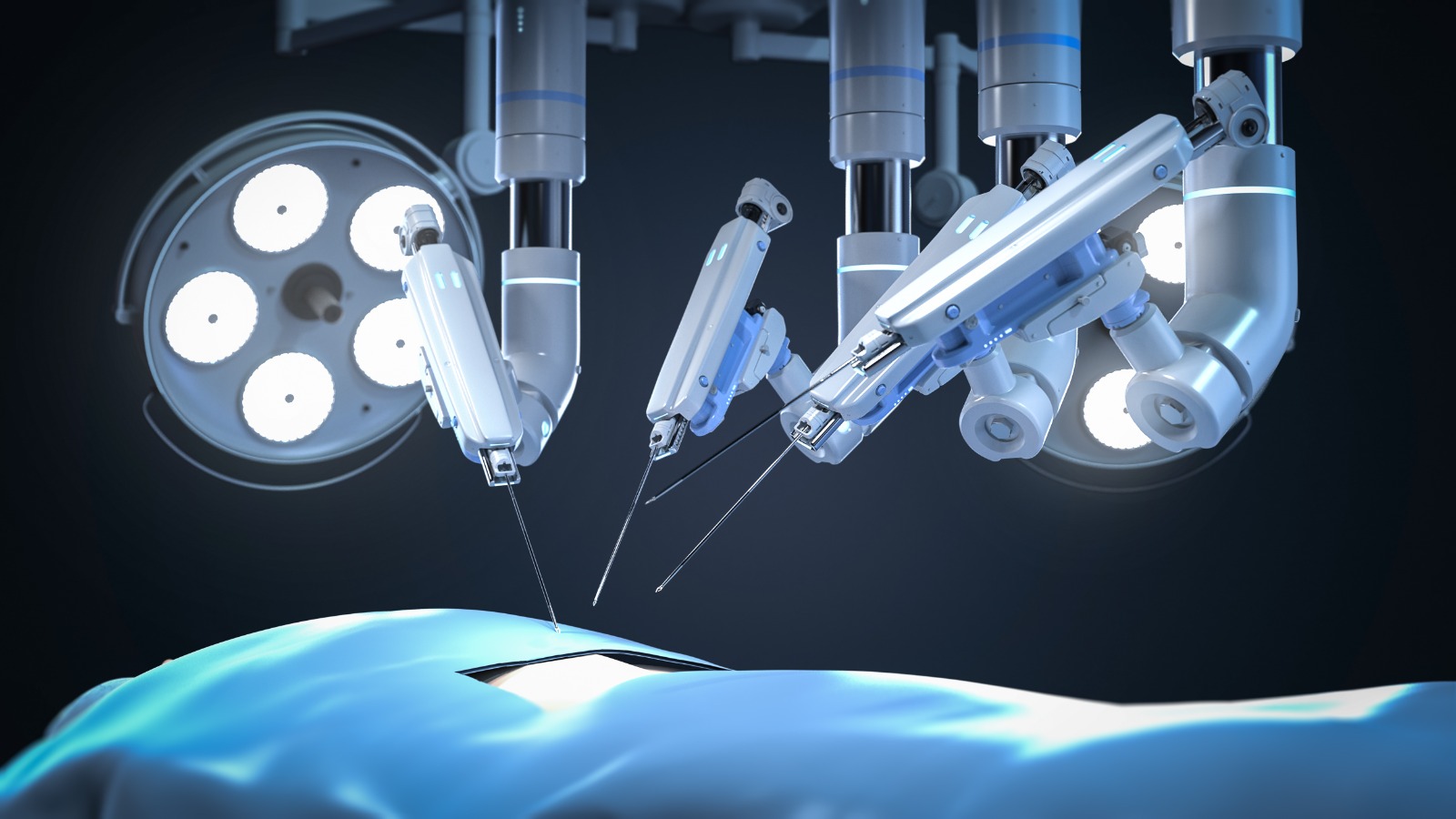
The study found that robotic-assisted gynaecological surgeries using the da Vinci system help preserve and protect healthy uterine tissue, and support future fertility
A 10-year clinical study of 243 robotic-assisted myomectomy
procedures, performed by Dr. Rooma Sinha, including 114 women seeking fertility
enhancement, has demonstrated strong reproductive outcomes, with no major
surgical complications or uterine rupture reported during subsequent
pregnancies. The findings reflect a decade of surgical commitment focused on
helping women manage complex gynaecological conditions while preserving their
reproductive choices and long-term wellbeing.
The study was led by Dr Rooma Sinha, Honorary Professor and
Director of Robotic Surgery at Apollo Hospital, Hyderabad, conducted in
collaboration with the Department of Pathology at Apollo Hospitals, Hyderabad.
Uterine fibroids are among the most common non-cancerous
tumours affecting women, particularly during their reproductive years. Studies
suggest that a significant proportion of women develop fibroids by the age of
40, although many remain undiagnosed. For many women, the diagnosis often
arrives during late stages shaped by career progression, family planning
decisions, and personal aspirations. In some cases, fibroids can distort the
uterine cavity, interfere with embryo implantation, contribute to recurrent
pregnancy loss, or cause heavy menstrual bleeding and pelvic pain.
The study examined women who underwent robotic-assisted
myomectomy using the da Vinci surgical system. This minimally invasive
procedure removes uterine fibroids while preserving the uterus. Fibroids can
affect fertility by distorting the uterine cavity or disrupting embryo
implantation. The study reported a higher pregnancy rate of 86.04% and
live-birth rates of 73.25% in the group of patients who underwent robotic
myomectomy. Notably, this represents one of the highest pregnancy and live
birth rates reported in global studies. The study also observed zero instances
of uterine rupture during subsequent pregnancies, underscoring the importance
of surgical precision in protecting uterine integrity for women who wish to
conceive later.
Dr Rooma explains that advanced robotic technologies, such as
the da Vinci system, allow surgeons to access difficult-to-reach areas in the
pelvis. It enables surgeons to perform multi-layer suturing, which is not easy
using laparoscopic instruments, supporting meticulous reconstruction that is
critical when future pregnancies are planned.
“For most women, recovery is not just physical but also
emotional. Knowing that a surgery is designed to protect their future fertility
offers them reassurance at a time when they are already coping with the stress
of a diagnosis. The combination of less pain, minimal scarring, and faster
return to daily activities can make a significant difference in how they move
forward after treatment. This is especially pronounced in women who have to
find a balance in managing work and family responsibilities,” Dr. Sinha added.
Dr. Rooma Sinha further added, “Studies using the da Vinci
surgical system have shown that enhanced 3D magnification and precision tools
enable seamless dissection and suturing, which may help preserve ovarian
reserve and uterine strength. This supports both overall gynecological health
and the possibility of conceiving in the future, giving women greater
confidence in planning the next chapter of their lives.”
With continued refinement of surgical techniques and greater
training opportunities for gynaecologists, robotic-assisted procedures using
evidence-based technologies such as da Vinci will pave the way for more
patient-centric solutions in managing conditions that affect both women’s
health and fertility, reinforcing a broader shift toward care models that
recognise women not only as patients, but as individuals making informed
decisions about their health, families, and futures.
Apollo HospitalsFertility TreatmentMyomectomy