Global
Neurology Experts Issue Guidance on Wearable Devices in Clinical Care
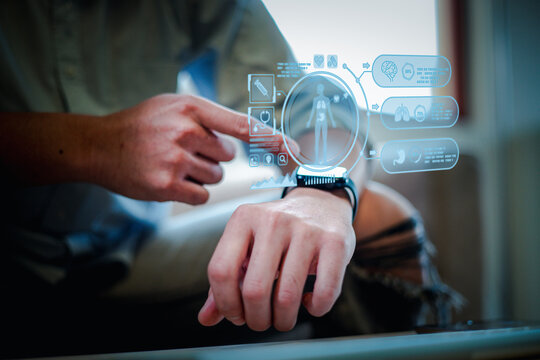
American Academy of Neurology has released new guidance examining the role of consumer wearable devices and digital health apps in neurological care. The advisory highlights the potential of smartwatches and fitness trackers to monitor health indicators such as heart rate, sleep, and physical activity while cautioning clinicians about limitations including data accuracy, patient anxiety, and privacy concerns.
American Academy of Neurology (AAN) has issued new guidance exploring how consumer wearable devices and digital applications may support neurological care, while also highlighting important limitations and clinical considerations.
The advisory, published in Neurology on March 11, 2026, focuses specifically on wearable technologies that are not cleared by the U.S. Food and Drug Administration (FDA). These include commonly used consumer devices such as smartwatches, fitness trackers, and health-monitoring apps that track heart rate, sleep patterns, physical activity, and other physiological indicators.
According to the report, wearable technologies are increasingly being used by patients to collect personal health data that can be shared with clinicians. Such data may help physicians gain deeper insights into disease patterns and daily health behaviors of people living with neurological disorders.
“Wearable technology has become increasingly popular, with some individuals sharing device-generated health data with their physicians,” said Sarah M. Benish, MD, of the University of Minnesota and a Fellow of the American Academy of Neurology. She noted that while the devices can offer valuable health information, patients and clinicians must also understand their limitations, including the potential for inaccurate readings or false alarms.
Potential Applications in Neurology
The guidance highlights several potential areas where wearable technology may support neurological care.
For cardiovascular monitoring, smartwatches and portable electrocardiogram devices may help identify irregular heart rhythms such as Atrial Fibrillation, a condition associated with an increased risk of stroke. However, the report emphasizes that wearable alerts should be considered screening signals rather than definitive diagnoses, requiring confirmation through clinical testing.
In the management of Epilepsy, wearable sensors and digital seizure diaries may help detect seizure activity, identify potential triggers, and track symptom patterns. Early studies suggest that combining fitness tracker data with digital seizure logs may improve seizure forecasting accuracy.
For individuals experiencing Headache Disorders, certain wearable devices provide biofeedback by measuring physiological signals such as muscle tension, heart rate, and skin temperature. These tools may help users manage stress and potentially reduce headache frequency. Wearables using actigraphy have also been used to track activity and rest patterns in patients with chronic headaches.
Sleep monitoring represents another rapidly evolving application. Wearable devices such as wristbands, rings, and headbands now use multiple sensing technologies to estimate sleep duration and sleep stages. While such devices allow individuals to track sleep patterns at home, researchers note that physicians may not always have access to the full data sets needed for clinical interpretation.
Limitations and Challenges
Despite the potential benefits, the AAN report highlights several limitations associated with wearable technologies. These include variability in data accuracy, incomplete data collection, inconsistent device usage, and the possibility that health alerts could increase anxiety in some users.
Additional concerns include data privacy issues, unequal access due to cost barriers, and the potential for misinterpretation of device-generated information. Experts recommend that neurologists review wearable data presented by patients carefully and discuss both its potential value and its limitations.
“Wearable technologies are evolving rapidly, making it difficult for physicians to keep up with the growing number of devices,” Benish said. “However, these tools have the potential to provide richer health data that may eventually support more personalized treatment strategies.”
The authors emphasize that further research is needed to improve the reliability and clinical validation of wearable devices before they can be widely integrated into neurological care and disease management.
The advisory, published in Neurology on March 11, 2026, focuses specifically on wearable technologies that are not cleared by the U.S. Food and Drug Administration (FDA). These include commonly used consumer devices such as smartwatches, fitness trackers, and health-monitoring apps that track heart rate, sleep patterns, physical activity, and other physiological indicators.
According to the report, wearable technologies are increasingly being used by patients to collect personal health data that can be shared with clinicians. Such data may help physicians gain deeper insights into disease patterns and daily health behaviors of people living with neurological disorders.
“Wearable technology has become increasingly popular, with some individuals sharing device-generated health data with their physicians,” said Sarah M. Benish, MD, of the University of Minnesota and a Fellow of the American Academy of Neurology. She noted that while the devices can offer valuable health information, patients and clinicians must also understand their limitations, including the potential for inaccurate readings or false alarms.
Potential Applications in Neurology
The guidance highlights several potential areas where wearable technology may support neurological care.
For cardiovascular monitoring, smartwatches and portable electrocardiogram devices may help identify irregular heart rhythms such as Atrial Fibrillation, a condition associated with an increased risk of stroke. However, the report emphasizes that wearable alerts should be considered screening signals rather than definitive diagnoses, requiring confirmation through clinical testing.
In the management of Epilepsy, wearable sensors and digital seizure diaries may help detect seizure activity, identify potential triggers, and track symptom patterns. Early studies suggest that combining fitness tracker data with digital seizure logs may improve seizure forecasting accuracy.
For individuals experiencing Headache Disorders, certain wearable devices provide biofeedback by measuring physiological signals such as muscle tension, heart rate, and skin temperature. These tools may help users manage stress and potentially reduce headache frequency. Wearables using actigraphy have also been used to track activity and rest patterns in patients with chronic headaches.
Sleep monitoring represents another rapidly evolving application. Wearable devices such as wristbands, rings, and headbands now use multiple sensing technologies to estimate sleep duration and sleep stages. While such devices allow individuals to track sleep patterns at home, researchers note that physicians may not always have access to the full data sets needed for clinical interpretation.
Limitations and Challenges
Despite the potential benefits, the AAN report highlights several limitations associated with wearable technologies. These include variability in data accuracy, incomplete data collection, inconsistent device usage, and the possibility that health alerts could increase anxiety in some users.
Additional concerns include data privacy issues, unequal access due to cost barriers, and the potential for misinterpretation of device-generated information. Experts recommend that neurologists review wearable data presented by patients carefully and discuss both its potential value and its limitations.
“Wearable technologies are evolving rapidly, making it difficult for physicians to keep up with the growing number of devices,” Benish said. “However, these tools have the potential to provide richer health data that may eventually support more personalized treatment strategies.”
The authors emphasize that further research is needed to improve the reliability and clinical validation of wearable devices before they can be widely integrated into neurological care and disease management.